

Enquiry List () (0)


- 13 Dec 2022

How to Maintain Tepid Water in Emergency Safety Showers on Challenging Sites
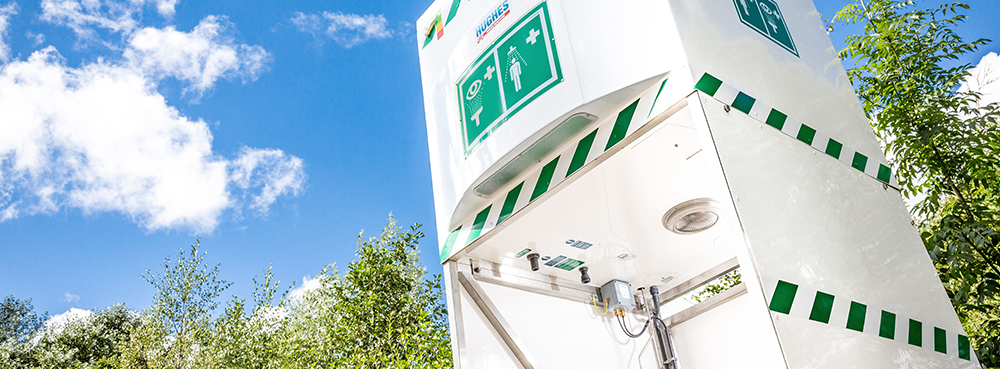
In an emergency, the effectiveness of a safety shower depends on more than just flow rate and coverage – water temperature plays a vital role. Meeting emergency shower temperature requirements and maintaining safety shower compliance means ensuring water is delivered within a controlled tepid water range, suitable for immediate and sustained use.
Tepid water refers to water that is neither too hot nor too cold, allowing it to be safely used for the full duration of an emergency rinse. This is essential because the primary purpose of an emergency safety shower is to rapidly flush hazardous substances from the body, helping to minimise chemical burns. The sooner a contaminant is washed away, the less severe the injury is likely to be.
Maintaining this tepid range becomes significantly more challenging in certain environments. Sites with limited or no mains water supply may struggle with consistent delivery. Hot climates can cause stored or exposed water to overheat, while freezing conditions can render systems inoperable. In hazardous areas, additional design and compliance requirements further complicate temperature control.
Managing these challenges is essential for ensuring emergency safety showers perform as intended when they are needed most.
What is Tepid Water in an Emergency Safety Shower?
Tepid water in an emergency safety shower refers to water that is delivered at a safe, controlled temperature suitable for immediate and continuous use during an emergency. It means water that is comfortable enough to encourage a worker to remain under the flow for the full flushing duration, without causing additional harm.
Guidance from standards such as ANSI and EN 15154 indicates that tepid water typically falls within a moderate temperature range (16°C to 38°C). However, it’s important to view this as functional guidance rather than just a fixed number. The key requirement is that the water temperature supports effective decontamination while allowing the user to stay under the shower long enough to wash away hazardous substances.
This highlights the difference between ‘lukewarm’ water and controlled tepid delivery. Water that feels lukewarm at the point of testing does not necessarily mean the system can consistently deliver a stable temperature in real-world conditions. Factors such as ambient temperature, pipework exposure, water storage and system design can all cause temperature fluctuations.
A compliant emergency safety shower must therefore be designed to reliably maintain this tepid range, even in challenging environments. This ensures that, in an emergency, the water will support effective flushing from the moment it is needed.
Why is Tepid Water Important?
In an emergency, the temperature of the water delivered by a safety shower affects decontamination effectiveness and user safety. It is critical to the performance of the equipment and the outcome of the incident.
What Happens if Water is Too Hot or Too Cold?
If water is too cold, users may not remain under the flow for the full flushing period. If it is too hot, it can worsen the situation and reduce decontamination effectiveness. In both cases, the risk of incomplete rinsing increases, compromising safety and compliance.
Effective Removal of Hazardous Substances
Emergency safety showers are designed to rapidly flush chemicals and contaminants from the skin, helping to prevent chemical burns. Tepid water supports this process by allowing continuous, thorough rinsing. If the temperature is unsuitable, decontamination may be incomplete, increasing the risk of injury.
Ensuring Full Flushing Duration
Users must remain under the water for the full flushing duration. This is as much a behavioural factor as a technical one. If the water is too cold or too hot, individuals are far more likely to step away too soon, reducing the effectiveness of the rinse and leaving hazardous substances on the skin.
Supporting Compliance and Duty of Care
Maintaining the correct water temperature is a key part of safety shower compliance. Standards set expectations for performance, but ultimately, duty of care requires that equipment works as intended in a real emergency. Ensuring a consistent tepid water supply demonstrates that safety provisions perform as intended.
What Temperature Should Water Be?
Emergency safety shower performance, including water temperature, is guided by internationally recognised standards. The two most widely referenced are ANSI/ISEA Z358.1 and EN 15154, which set expectations for how emergency equipment should function in practice.
ANSI/ISEA Z358.1: Performance-Led Guidance
ANSI defines tepid water as being delivered within a range suitable for continuous use, commonly interpreted as 16°C to 38°C. Importantly, the standard emphasises that water must encourage the user to remain under the shower for the recommended 15-minute flushing duration, ensuring effective decontamination.
EN 15154: European Approach to Safety Showers
EN 15154 specifies that water delivered by emergency safety equipment should be tepid, typically between 15°C and 37°C, with an ideal range of 20°C to 25°C.
Key Takeaway for Specifiers
Both standards make it clear that temperature is critical to effective emergency response. However, simply installing a compliant unit is not enough; the system must be capable of delivering tepid water reliably in the conditions of the site.
For specifiers, this means considering:
- Environmental conditions
- Water supply reliability
- System design and installation
A compliant emergency safety shower must deliver the right performance when it is needed most, not just under test conditions.
As a specialist in emergency safety solutions, Hughes supports specifiers with both compliant equipment and application expertise, helping ensure that installations meet the intent of these standards.
Why Tepid Water is Difficult to Maintain on Challenging Sites
Maintaining tepid water in an emergency safety shower is straightforward in theory, but far more complex in practice. While standards define the required temperature range, different environments introduce a range of environmental and infrastructure challenges that can make consistent temperature control difficult.
Factors such as climate extremes, water supply limitations and site-specific hazards all influence whether a safety shower can reliably deliver water within a safe tepid range. Without the right system design, these variables can lead to water that is too hot, too cold or altogether unavailable, undermining safety and compliance.
Remote Sites and Limited Water Supply
Sites without access to a reliable mains water connection face immediate challenges in maintaining consistent flow and temperature.
- No direct mains supply means water must often be stored or transported
- Low or inconsistent pressure can affect delivery performance
- Limited storage can restrict availability and temperature stability
In these environments, ensuring a dependable supply of tepid water requires careful system design, particularly where water may sit unused for extended periods.
Example: A remote mining site with no continuous water supply may rely on stored water systems. Without proper temperature control, that water can fall outside the tepid range before it is ever needed in an emergency.
Hot Climates and Solar Heat Gain
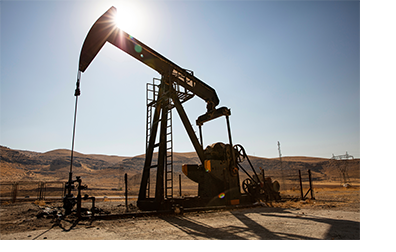 In high-temperature environments, exposure to the sun can quickly push water temperatures beyond safe limits.
- Exposed pipework can overheat
- Storage tanks can absorb solar heat, raising water temperature throughout the day
- Water may become unsafe before the shower is even activated
Without protective measures, systems in hot climates can deliver water that is too warm for safe and effective use.
Example: On a desert or high solar load industrial site, uninsulated pipework can result in water temperatures exceeding safe limits, reducing the effectiveness of emergency decontamination.
Cold Climates and Freezing Conditions
At the opposite extreme, cold environments introduce the risk of freezing – one of the most critical failure points for emergency safety equipment.
- Frozen pipework can prevent water flow entirely
- Partial freezing may allow activation but restrict performance
- Ongoing maintenance is required to keep systems operational
If a safety shower cannot deliver water immediately, it cannot fulfil its purpose in an emergency.
Example: On an offshore platform or a site operating through northern European winters, unprotected systems may freeze, leaving emergency showers non-functional when they are needed most.
Hazardous Areas and Specialist Requirements
In hazardous environments, additional safety and compliance requirements can further complicate temperature control.
- Equipment may need to meet explosion protection standards
- Electrical components (such as heaters) must be carefully specified
- Materials and enclosures must be suitable for the environment
These constraints can limit the types of solutions available, making it more challenging to implement effective temperature management without compromising safety or compliance.
Solutions for Maintaining Tepid Water in Emergency Showers
Maintaining tepid water in emergency safety showers requires solutions that are specifically designed to overcome environmental and infrastructure challenges. Hughes offers a range of systems designed to maintain safe water temperatures in demanding conditions.
Tank-Fed Safety Showers for Remote Sites
Emergency tank showers are an essential solution for sites where there is no mains water supply or an inconsistent water source. Hughes 1500L tank-fed safety showers are designed to store sufficient water to deliver the full 15 minutes of flushing required for ANSI and EN compliance.
This ensures that, in an emergency, water is immediately available and delivered at the correct flow rate.
For hot climates, these units can be fitted with cooling systems to counteract solar radiation, preventing stored water from overheating before use. Options include:
- Non-flameproof chillers, which can be side mounted to save floor space
- Flameproof chillers, fitted with explosion-proof control panels for hazardous areas
- Systems that allow water to be set and maintained at a desired temperature
Hughes also offers the Zero Power Cooler®, a cooling system that operates without an electrical supply. This makes it suitable for hazardous environments, delivering:
- Zero operational costs
- No maintenance requirements
- No carbon emissions
For colder climates, immersion heated tank showers prevent stored water from freezing, ensuring reliable operation in temperatures as low as -35C. These are available in both flameproof and non-flameproof variants.
For some extreme environments, the Polar Tank Shower provides additional protection. In addition to immersion heating, it features:
- Double-skinned insulated construction
- Automatically closing cubicle doors
- An internal room heater to maintain a stable internal temperature
This protects both the system and the user, helping maintain safe conditions during emergency use.
Heated Emergency Safety Shower for Cold Climates
In cold and sub-zero environments, maintaining water temperature is critical to operation.
Hughes heated safety showers use immersion heating and insulated designs to:
- Prevent freezing within tanks and pipework
- Maintain water within a safe tepid range
- Ensure immediate functionality in an emergency
These systems are designed for use in extreme cold conditions, including offshore and exposed industrial sites. The addition of insulation and heated enclosures ensures that both the water supply and the user are protected during use.
Cooling or Temperature-Controlled Systems for Hot Climates
In high-temperature environments, preventing water from overheating is essential for safe operation.
Hughes tank-fed systems can be fitted with cooling solutions to maintain water within the required tepid range, even in intense solar conditions. These include:
- Chiller units for active temperature control
- Passive cooling systems such as the Zero Power Cooler®
- Insulated tank designs to reduce solar heat gain
In addition, Hughes offers temperature-controlled safety showers, which ensure that incoming water is tempered before reaching the user.
For example, the STD-TC-100KS/45G features a 300L heated tank, which can supply tempered water to safety showers in the surrounding area. This helps maintain consistent water temperature across multiple units.
Self-Draining Safety Showers for Extreme Environments
Hughes self-draining safety showers are designed for environments where standing water in pipework can be affected by extreme temperatures, particularly heat.
These systems incorporate a self-draining valve at the base of the shower, which:
- Removes residual water after use
- Prevents water from heating due to solar radiation
- Ensures fresh tepid water is delivered for the next user
They are effective in climates up to 50C, making them well suited to tropical and high-temperature environments where maintaining water temperature between uses is a challenge.
How to Choose the Right Emergency Shower for Your Site
Selecting the right emergency safety shower ensures reliable performance in your environment. A structured approach can help identify the most suitable solution based on site conditions, risks and operational constraints.
Step 1: What is Your Climate?
Start by assessing the environmental conditions the shower will operate in:
- Hot climates: risk of overheating due to solar gain
- Cold climates: risk of freezing and system failure
- Variable/extreme climates: need for both heating and cooling considerations
This will determine whether you require cooling systems, insulation, immersion heating or specialist units such as a Polar Tank Shower.
Step 2: What is Your Water Source?
The availability and reliability of water supply is a critical factor:
- Mains water available: temperature-controlled or plumbed-in systems may be suitable
- Limited or no mains supply: tank-fed safety showers provide a self-contained solution
- Low or inconsistent pressure: stored water systems ensure compliance with flow requirements
Where water supply is uncertain, tank-fed systems with integrated temperature control are often the most reliable option.
Step 3: What Hazards are Present?
Consider the type of substances or risks involved:
- Chemical exposure requiring immediate and thorough decontamination
- Environments where rapid response is critical
- Processes involving substances that must be flushed quickly to reduce injury severity
The key requirement is ensuring the shower can deliver consistent tepid water for effective flushing.
Step 4: Are There Hazardous Area Requirements?
In environments with explosion risks or flammable atmospheres, equipment must meet additional safety standards:
- Flameproof or ATEX-rated components may be required
- Electrical systems (heating or cooling) must be suitably protected
- Non-powered solutions (such as passive cooling systems) may be preferable
This can influence the choice between standard, flameproof or non-powered temperature control solutions.
Step 5: What Maintenance Access is Available?
Ongoing maintenance plays a key role in ensuring long-term performance:- Easy access sites: wider range of systems can be supported
- Remote or low-access locations: prefer low-maintenance or self-contained systems
- Intermittent-use sites: self-draining designs reduce risk between uses
Where maintenance is limited, systems such as self-draining showers or passive cooling solutions can improve reliability.
Quick Comparison of Emergency Safety Shower Solutions
|
Site Condition/Requirement |
Recommended Solution |
Key Benefit |
|
No mains water/low pressure |
Tank-fed safety shower |
Guaranteed water supply for full 15-minute flush |
|
Hot climate/high solar exposure |
Cooled or temperature-controlled system |
Prevents overheating before use |
|
Cold or sub-zero environments |
Heated or Polar Tank shower |
Prevents freezing and ensures operation |
|
Hazardous (explosion-risk) area |
Flameproof or non-powered systems |
Maintains safety and compliance |
|
Intermittent use/extreme environments |
Self-draining safety shower |
Prevents standing water and temperature fluctuation |
Choosing the right emergency safety shower means considering how these factors combine on your site. In many cases, a tailored solution or combination of technologies is required to ensure that tepid water is consistently delivered, and the system performs as intended in an emergency.
If you are unsure which solution is most suitable, a site assessment can help identify risks and ensure your safety showers meet both operational needs and compliance requirements.
Find the Right Emergency Safety Shower for Your Site
Ensuring your emergency safety showers deliver tepid water reliably is essential for compliance and effective emergency response. However, as the challenges outlined show, achieving this depends on selecting a solution that is correctly specified for your environment, water supply and risk profile.
Whether your site faces extreme temperatures, limited infrastructure or hazardous area requirements, the right system must be capable of:
- Delivering water within a safe tepid range
- Operating reliably in real-world conditions
- Supporting full and effective decontamination in an emergency
Choosing the wrong solution can leave gaps in protection.
Hughes supports organisations at every stage of this process, from initial specification through to long-term operation. With decades of experience and a deep understanding of global standards, Hughes provides:
- Expert guidance on selecting the most suitable emergency safety shower
- A full range of solutions designed for challenging environments
- Ongoing support to help maintain compliance over the equipment lifecycle
If you are reviewing your current setup or planning a new installation, a site survey is the most effective way to identify risks and ensure your emergency showers are fit for purpose. A Hughes specialist can assess your site conditions, highlight any compliance gaps and recommend the right solution for your specific requirements.
With the right approach, you can ensure your emergency safety showers are not only compliant but ready to perform when they are needed most.
To discuss more tepid water solutions for your site contact Hughes’ team of experts today.


